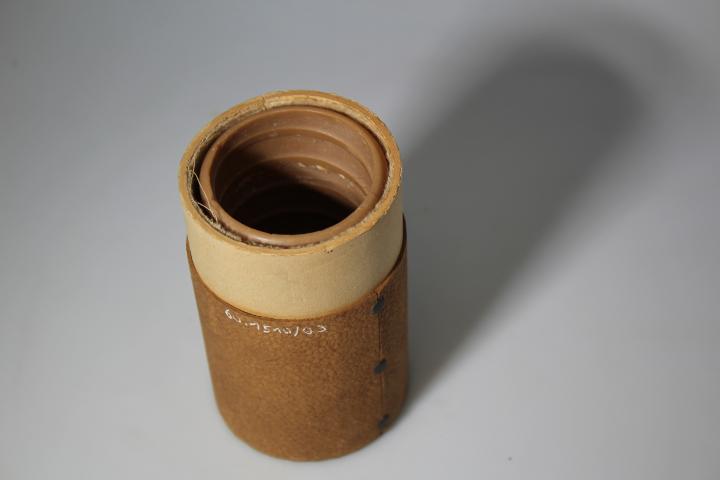
Inventory of phonograph cylinders 1960.1508/1–4, 1960.1509/1 and 1960.1510/1–23
The ‘Brussels’ phonographic collection of the MIM contains recordings on wax cylinders, both commercial productions and homemade amateur recordings, which were made between 1900 and 1908 in Brussels and the surrounding area. Unfortunately, the provenance of the collection as a whole is unknown, as is the manner in which it entered the MIM. For more than a century, these recordings were not listened to by anyone; thanks to their recent digitisation, the sounds of the past, captured in their grooves, have been made audible once again.
The repertoire includes well-known melodies from operettas or operas, reworked for voice with piano accompaniment or for brass band, potpourris, marches, polkas, military signals, patriotic, comic or light songs, and mildly obscene dialogues. Thanks to the heterogeneity of the sources, we gain a clearer picture of the vibrant phonographic activity in Brussels around the turn of the century. For example, there is a label called “New Excelsior Record”, now unknown, which reused the Pathé catalogue. There was also a retailer located on Boulevard Anspach, the “Comptoir Général des Machines Parlantes de Bruxelles”, which engraved cylinders using its own orchestra. In addition, we discover the spirit of early audience interaction with this emerging technology through homemade amateur recordings. Some of these were made on blank purchased cylinders, while others were engraved at the end of a commercial cylinder, in the few millimetres that remained unused.
Among the recordings, we also found a traditional Flemish song from the outskirts of Brussels, possibly one of the oldest in the world; birthday wishes; applause and cheers from families and friends enjoying themselves. And perhaps even the first recorded karaoke in human history, set to the Brabançonne? Amateur recordings, which were held in low esteem, were often abandoned, discarded, or scraped off in order to reuse an underlying layer of wax. It would take time before their value as anthropological artefacts was recognised, which also makes this collection particularly unique and valuable.
Many thanks go to Géry Dumoulin (MIM) for his help in identifying certain musical pieces, Wim Bosmans (MIM) for his assistance with the transcription of the Flemish song, and Henri Chamoux (LARHRA) for his technical support and advice.
Sourire d'avril, valse
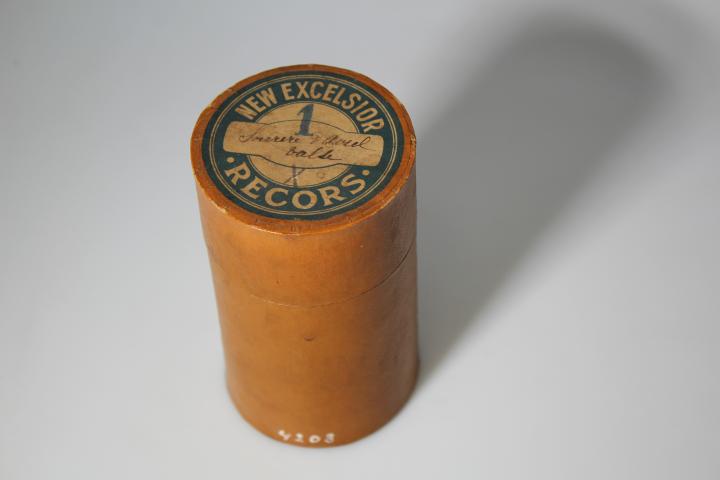
Scottish des Pierrots
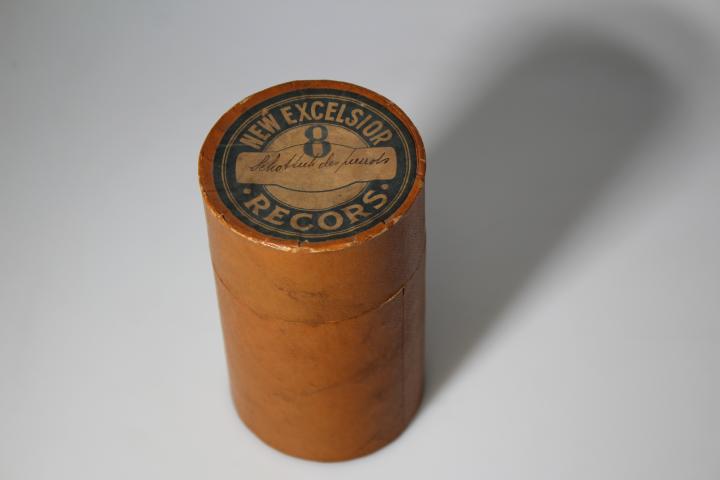
Tapage nocturne
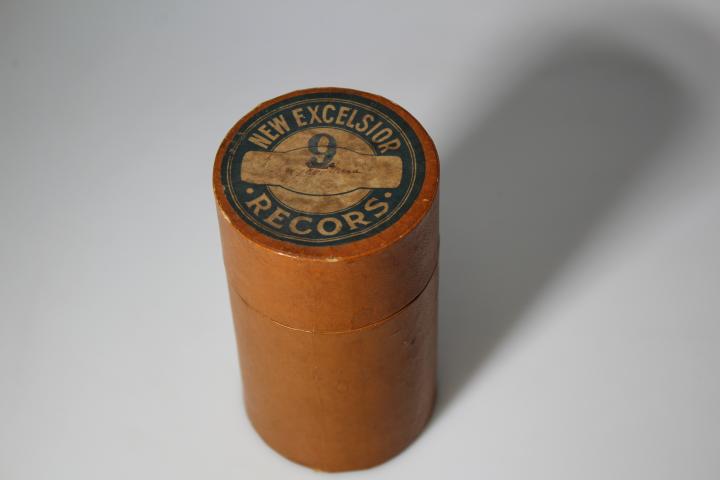
En tramway, polka
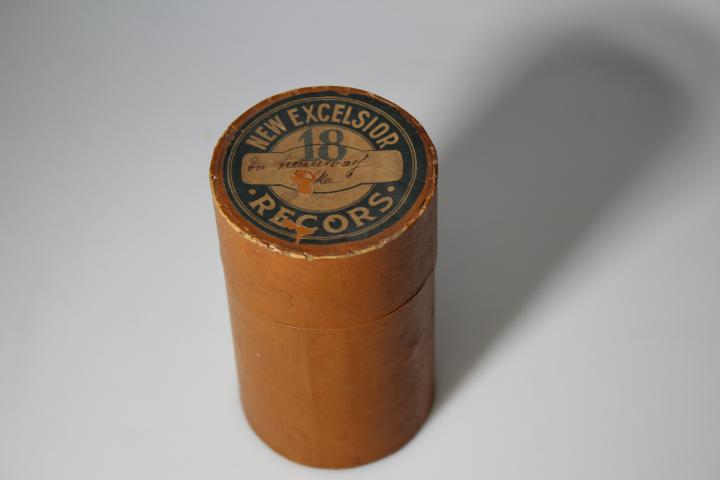
Les cloches de Corneville [pot-pourri]
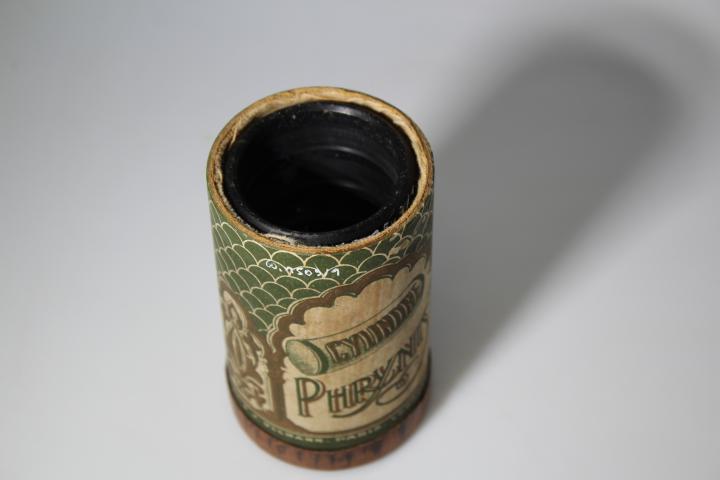
Vieille fille
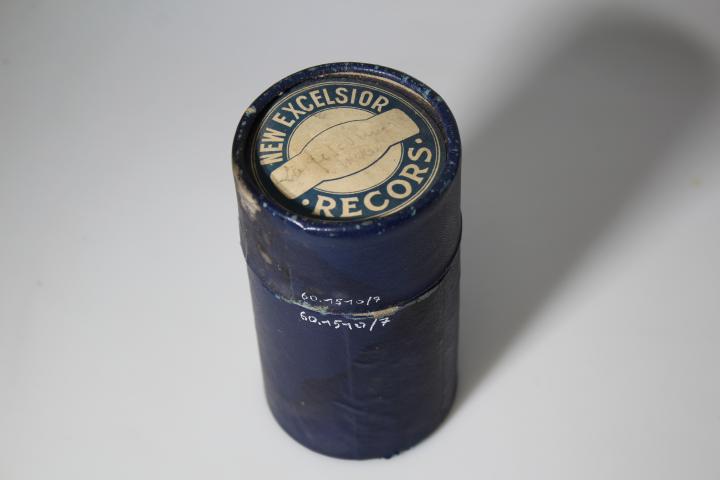
Polka pour piston
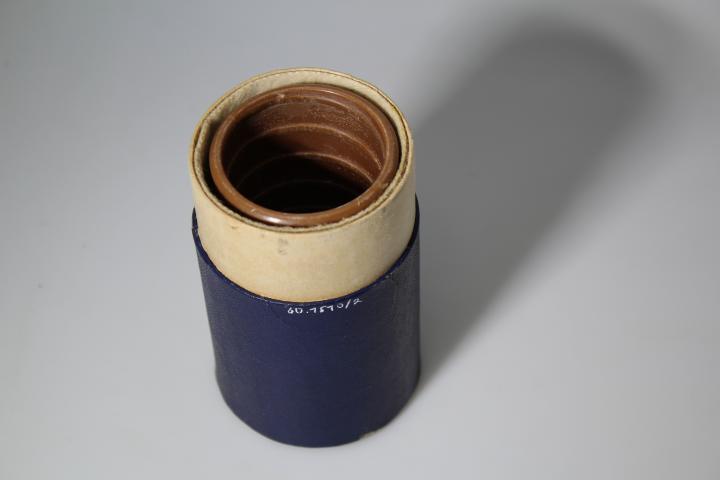
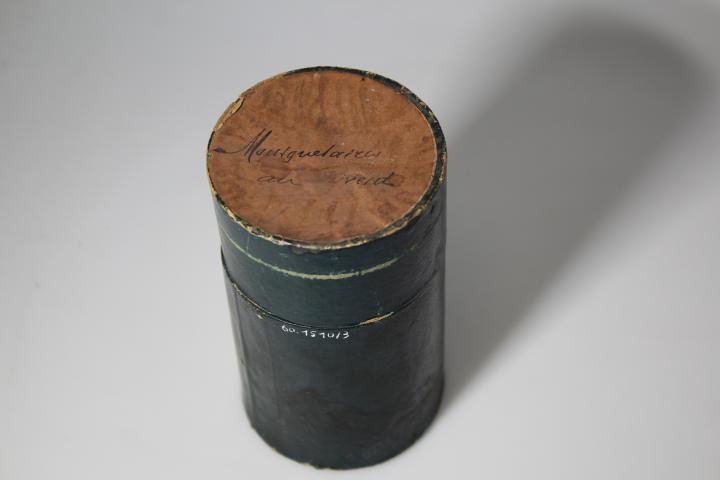
Mousquetaires au couvent [air : Pour faire un brave mousquetaire]
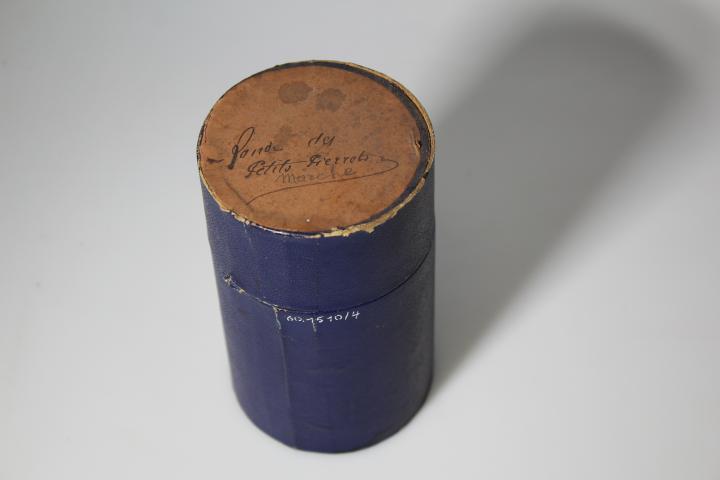
La ronde Pierrots, marche [sic : Marche des petits pierrots] [+ domestic scenes]
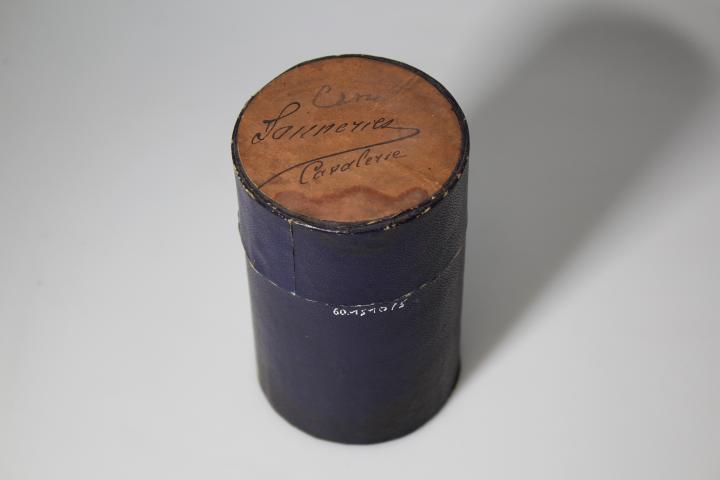
Sonneries de cavalerie
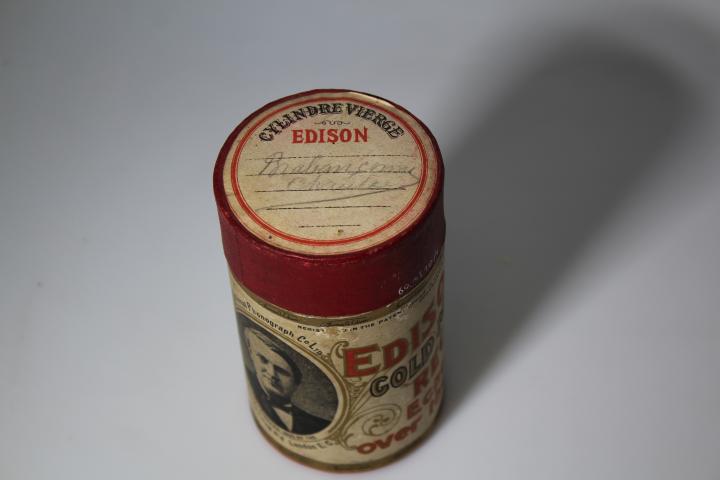
Brabançonne chantée [+ woman's voice]
La fête d'une mère [+ Geif mo bözze, Gérard]
1. Marseillaise 2. La fille du régiment [+ cris et hourras]
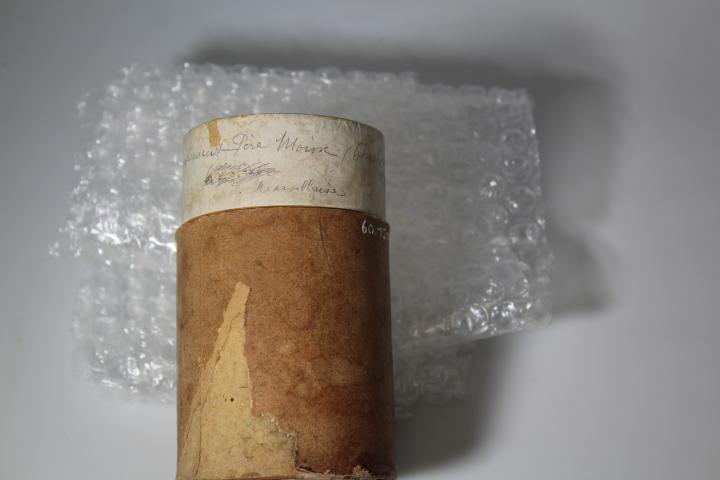
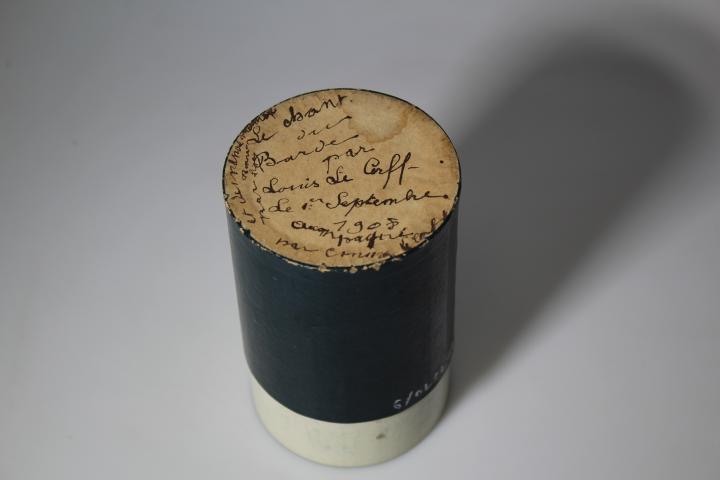
Le chant du Barde
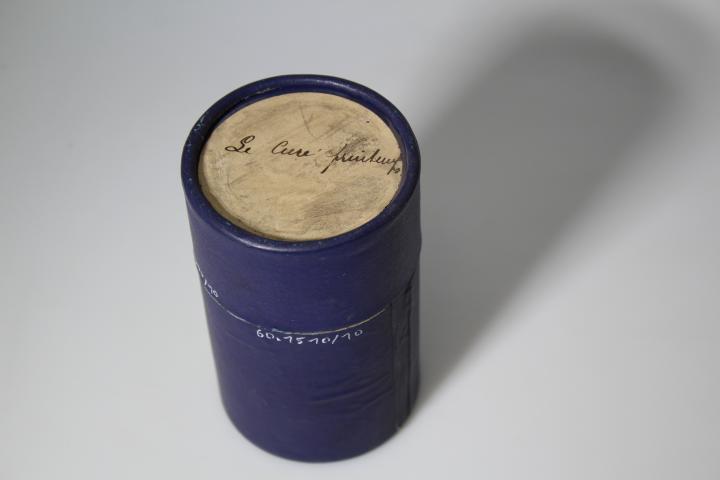
Le curé Printemps
Une larme [+ person that counts]
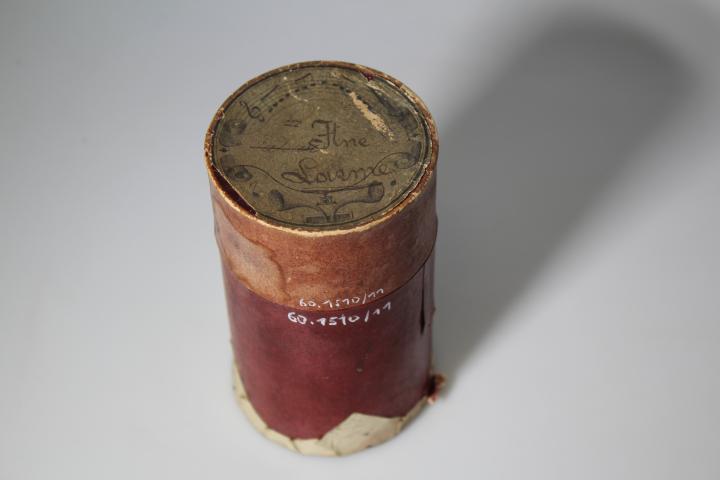
Mes adieux au 63e, grand défilé [+ polka à la flûte]
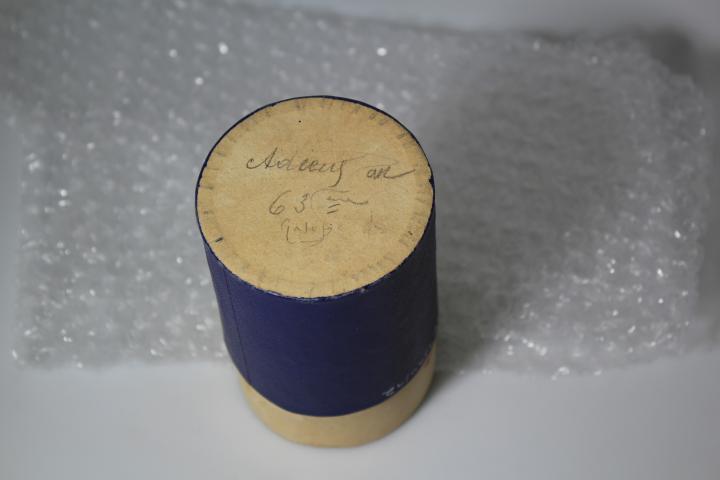
Marche de Boccace
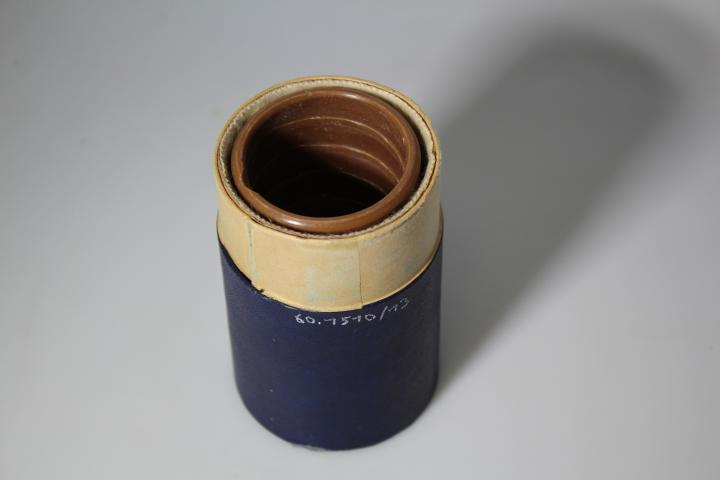
Marche des chauffeurs
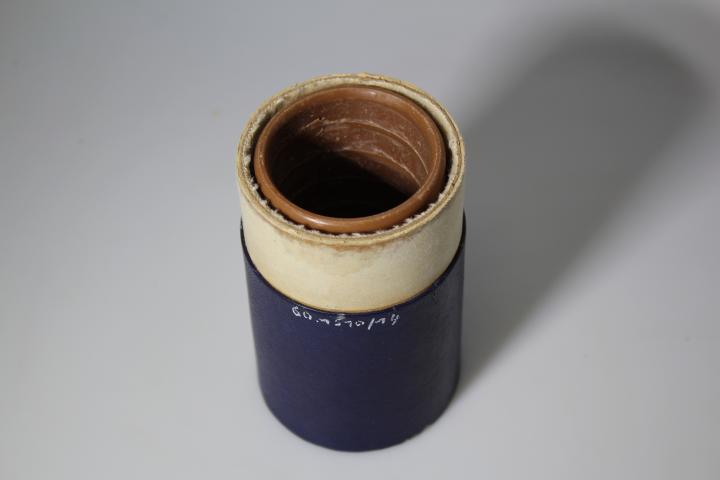
Cors de chasse
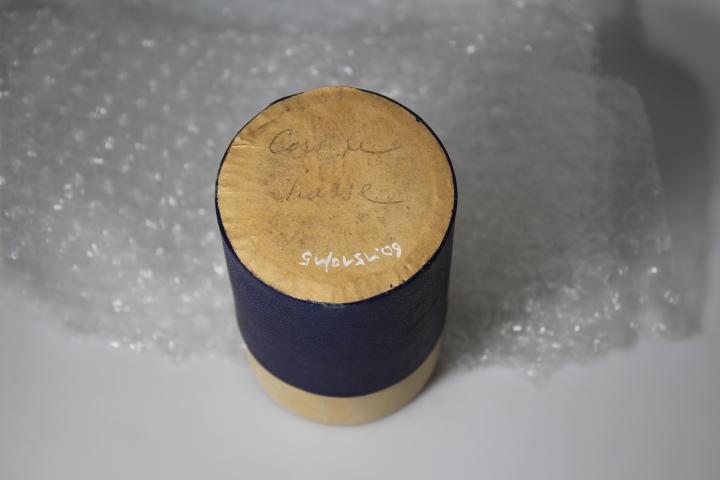
Faust, valse, clarinette [Acte II]
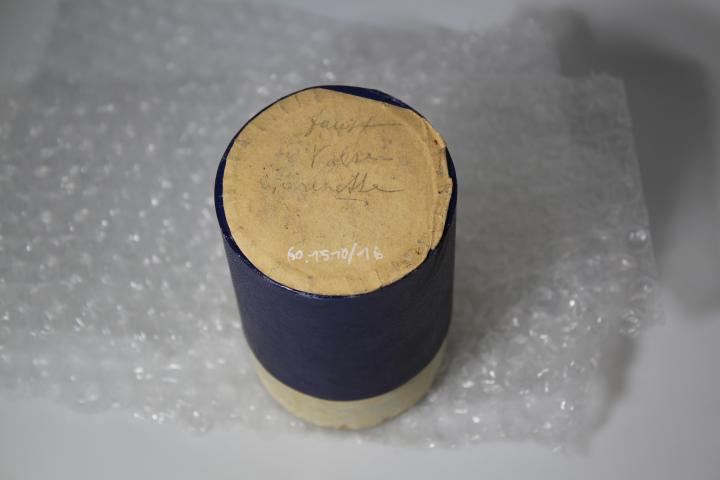
J’ai perdu ma gigolette, chansonnette comique du répertoire Reschal [+ domestic scenes]
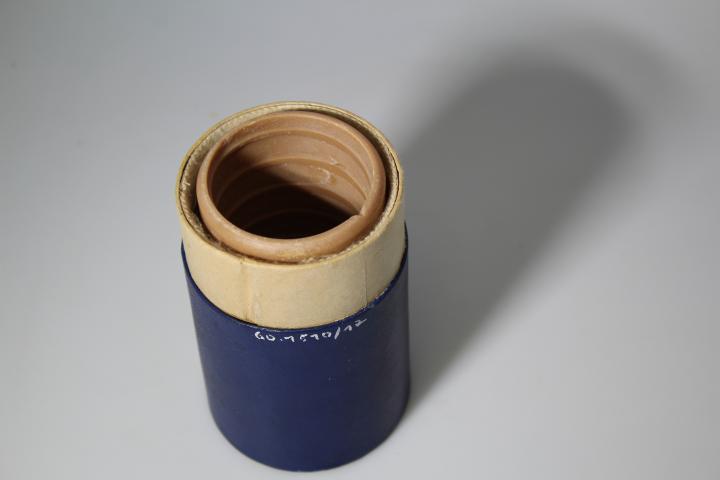
[Birthday wishes]