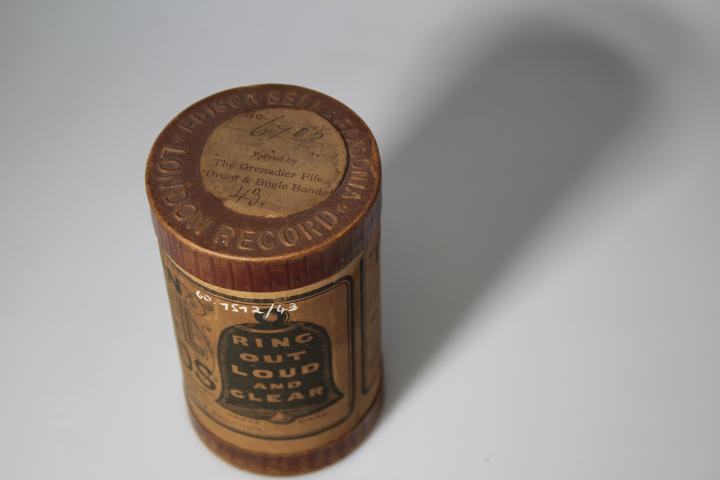
Inventory of phonograph cylinders 1960.1512/1–43
In 1899, Victor-Charles Mahillon (the first curator of the Instrumental Museum of the Royal Conservatory of Brussels, today’s MIM) conceived the project of assembling a “collection of graphophone cylinders reproducing popular music from different countries.” As early as January 1900, after receiving recordings from Kolkata, Beijing and Tianjin, he began seeking phonograph cylinders from across the globe: Quimper, Vannes, London, Istanbul, Madrid, Dublin, Jakarta, Tokyo, and beyond. This undertaking was exceptional not only in its scope, but also in its precocity, as it coincided exactly with similar initiatives launched by the Vienna Academy of Sciences and the Anthropological Society of Paris.
Because it was not inventoried at the time of its creation, this early Brussels phonographic collection quickly fell into obscurity. Recent research, however, has led to the rediscovery of part of the collection, which was digitised thanks to the support of the Friends of the Royal Museums of Art and History. The group of cylinders now brought together under inventory number 60.1512 has clearly undergone significant alteration over time (losses, destruction, and the addition of extraneous elements). Although very incomplete when compared with what the archival sources suggest, the collection documents a wide range of musical traditions dating from 1898–1900 (Provence, the Mashreq, China, India, the Ottoman Empire, the United Kingdom, and North America). Alongside well-known commercial productions, it also includes recordings made by local distributors (such as Lehner in Istanbul or Bevans & Co. in Kolkata) as well as by non-professional actors. Some of these appear to be among the oldest locally produced sound recordings preserved anywhere in the world.
Our thanks go to the Friends of the Royal Museums of Art and History for funding the digitisation of this collection, and to Professor Nidaa Abou Mrad (Université Antonine, Lebanon) for the transliteration and translation of the Arabic texts and recordings.
Galoubet-tambourin (Provence 1)
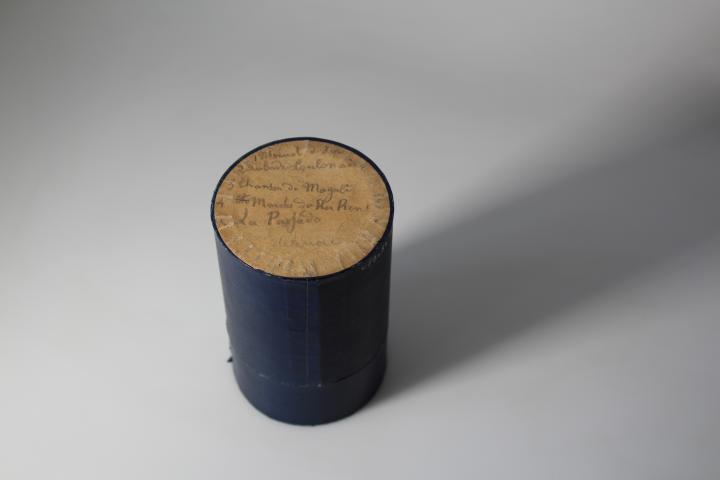
Galoubet-tambourin (Provence 2)
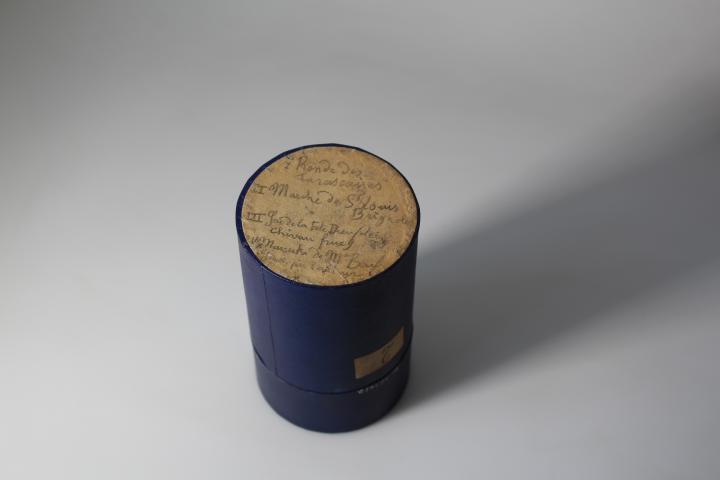
Galoubet-tambourin (Provence 3)
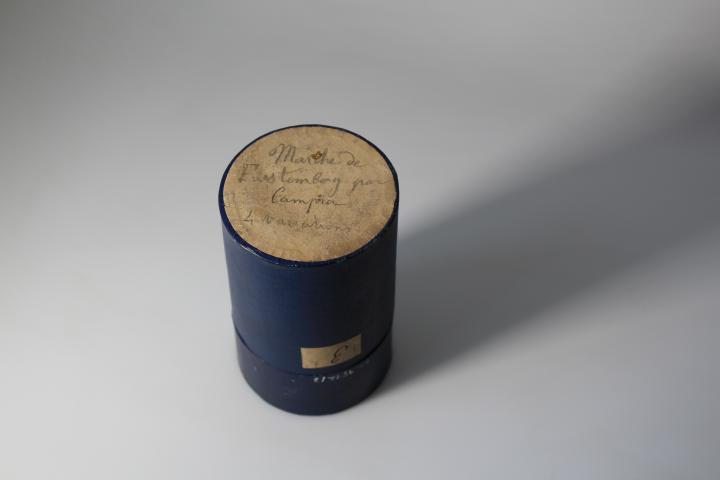
Galoubet-tambourin (Provence 4)
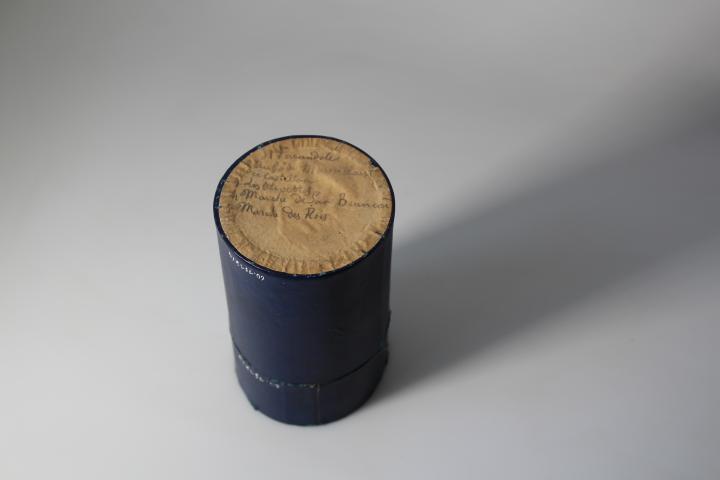
Three hunting horns
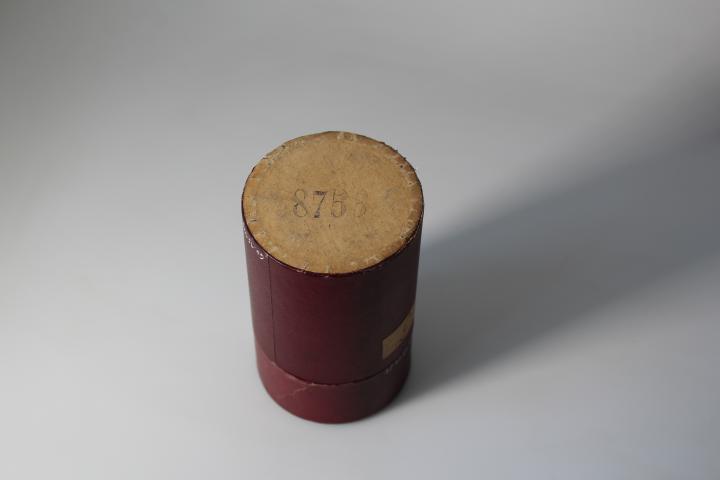
Mes adieux au 63e de ligne. Défilé
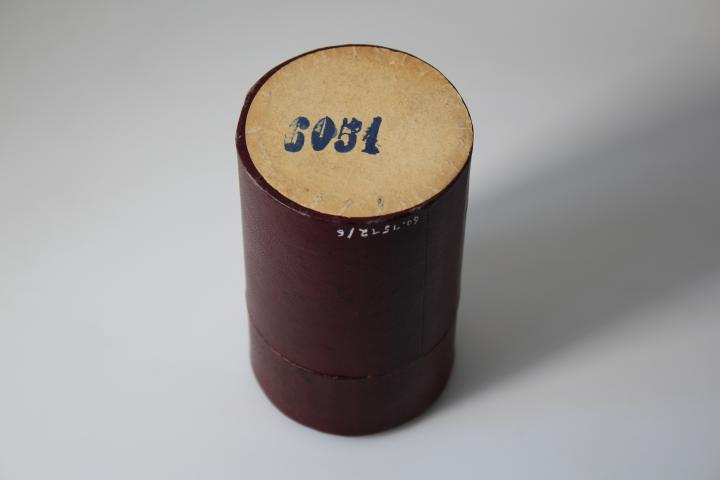
The gentlemen’s lancers

Le Muet Mélomane
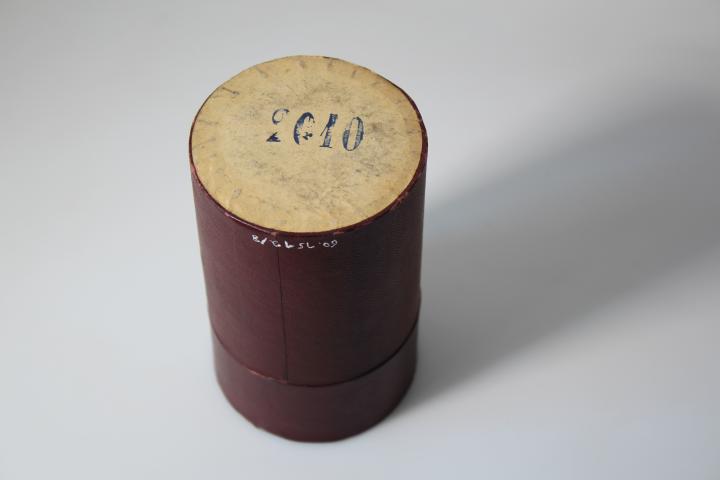
Marche des Pierrots
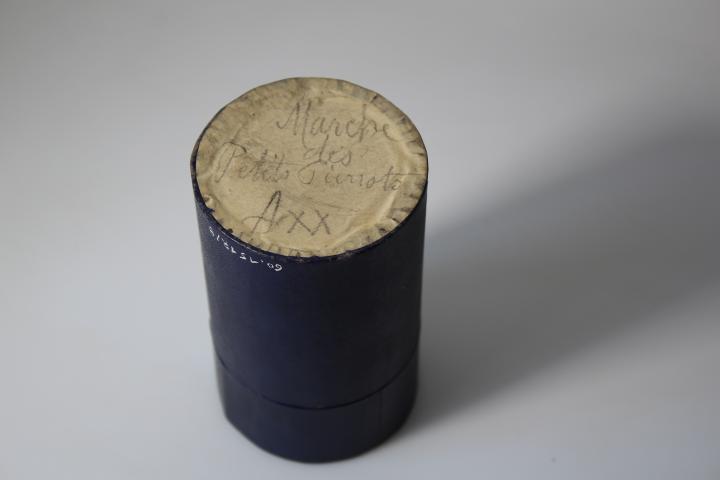
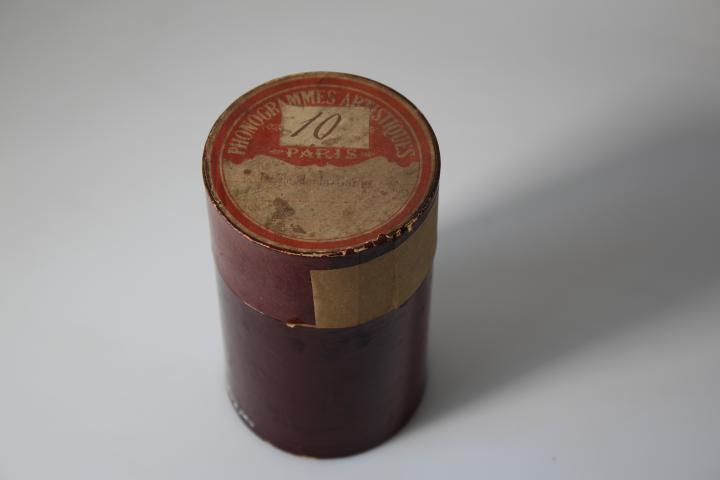
Défilé de la garde
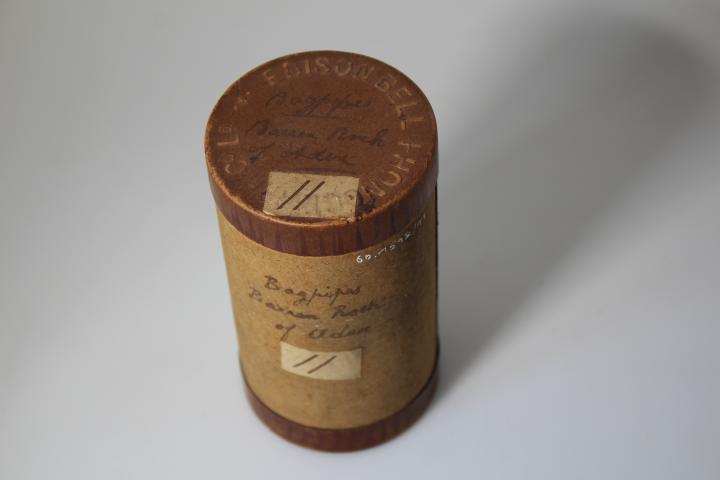
Barren Rock of Aden (Bagpipes)
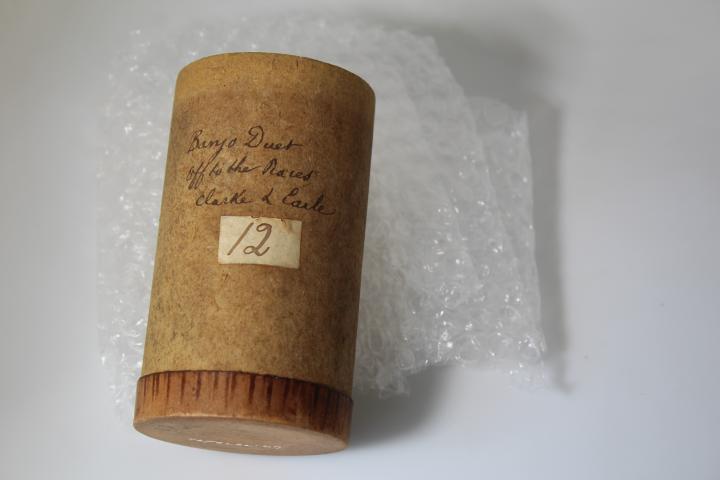
Off to the races (Banjo Duet)
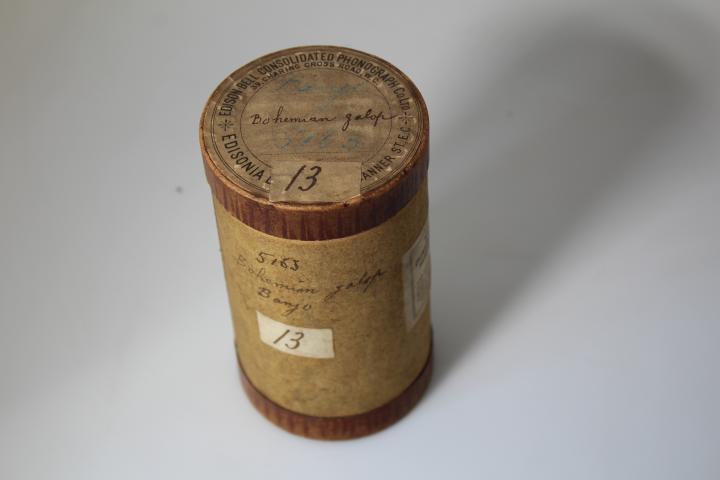
Bohemian Galop (Banjo)
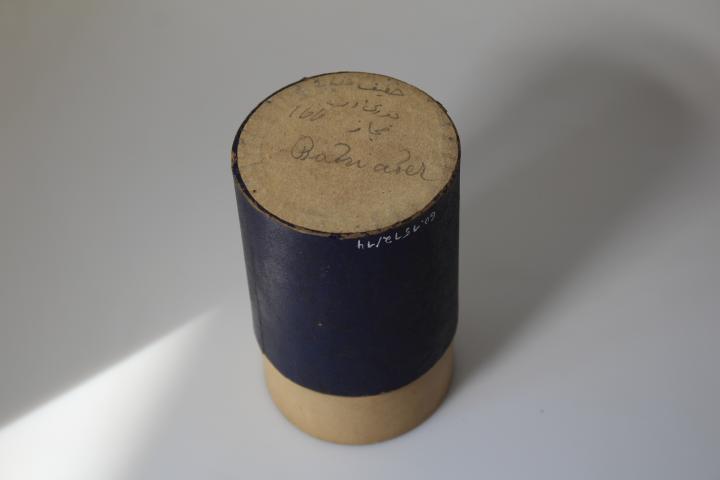
بدري أدر كأس الطلا - Badrī adir ka’s a-ṭalā (muwaššaḥ)
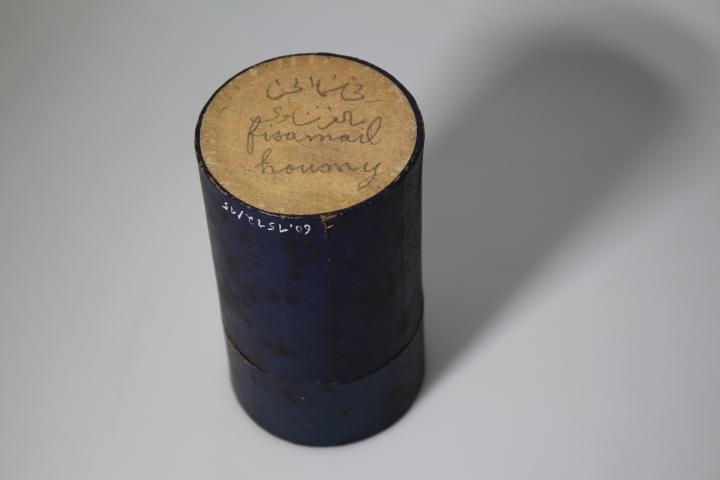
في سما الحسن - Fī samā al-ḥusn (muwaššaḥ)
أهوى الغزال الربربي - Ahwā alghazal alribirabiu (muwaššaḥ)
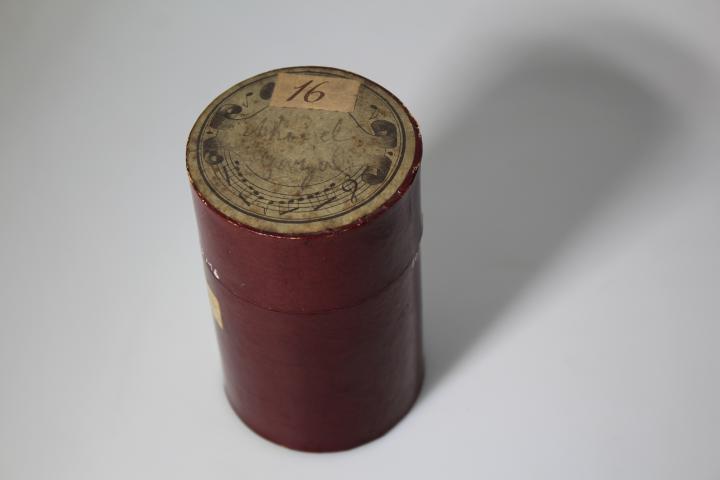
ني خدّك وردي - Aynī ḫaddak wardī (muwaššaḥ ?)
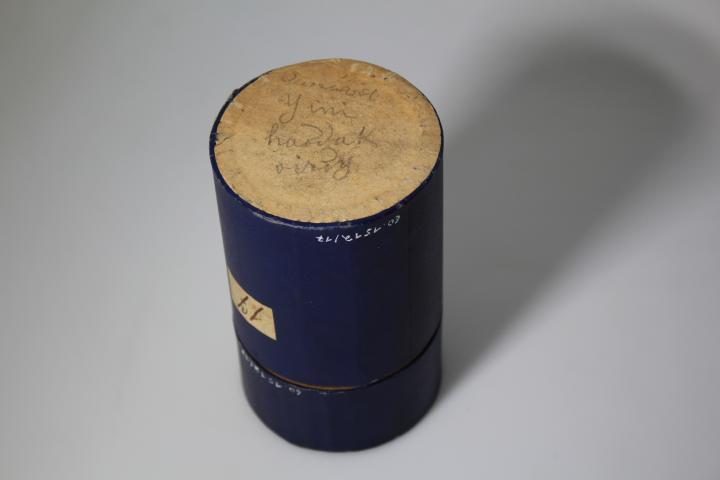
يا منت وحشني، حجاز كار - Yā manta waḥišnī (dōr égyptien)
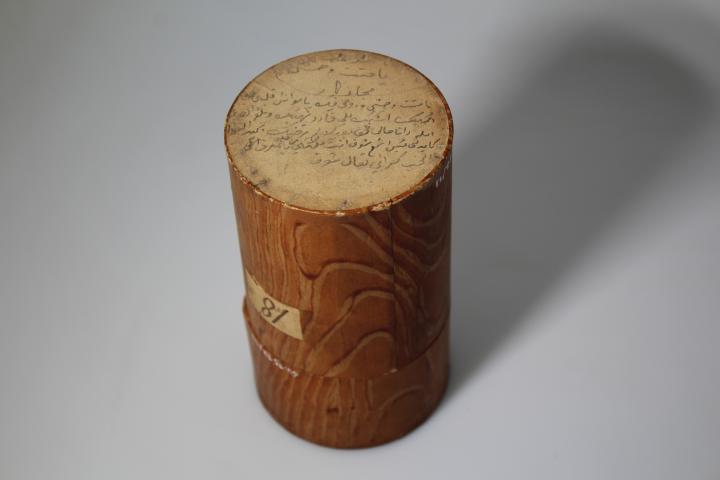
Inta māliknī min qalbī
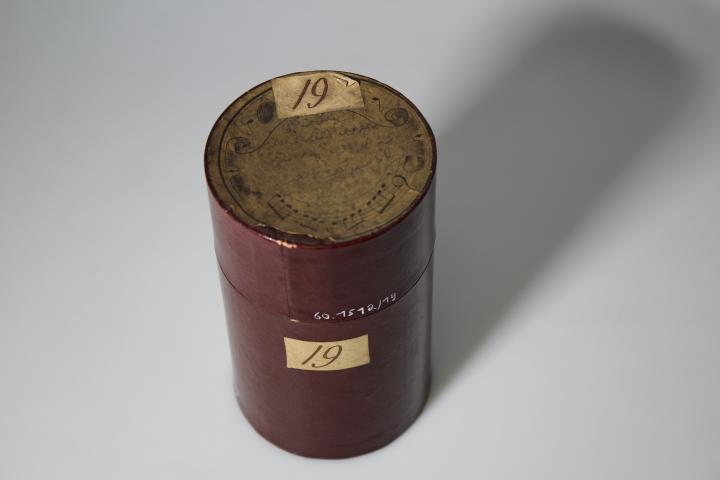
Unidentified recording (عشّاق شرقي, mode ‘Uššāq šarqī)
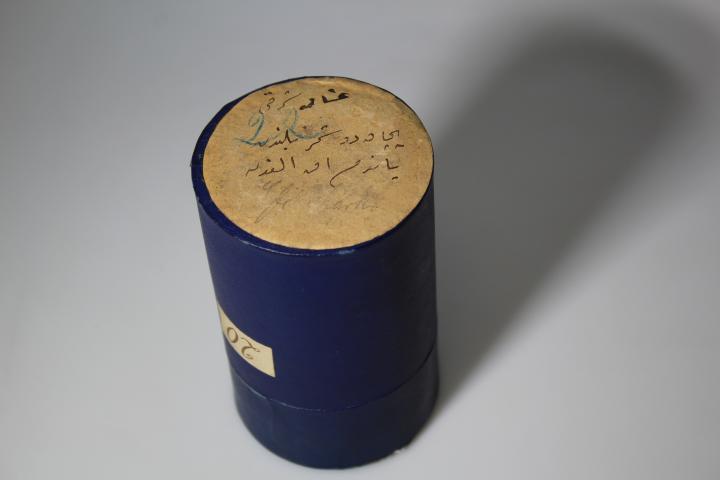
Unidentified recording (mode Bastah nikār)
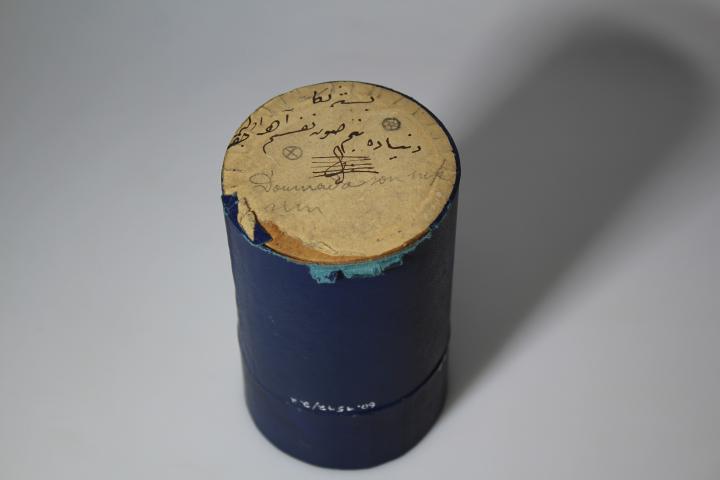
Turkish Gazel [?] (ney and voice)
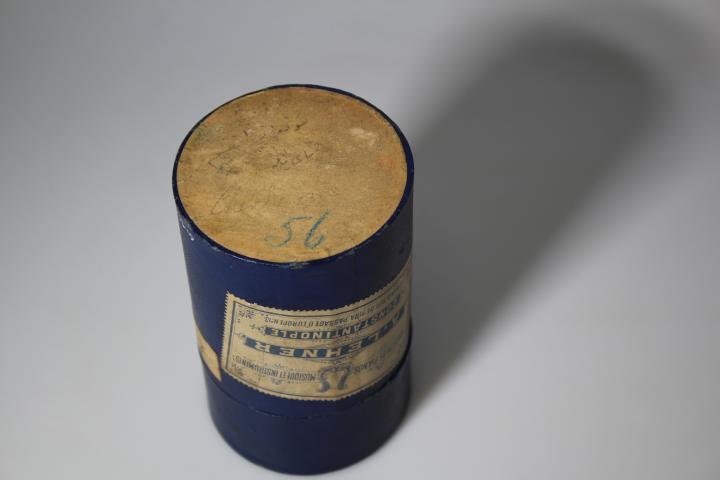
Θυμήσου άσπλαχνη [?] - Thimisou asplachin [?] (voice and mandolin)
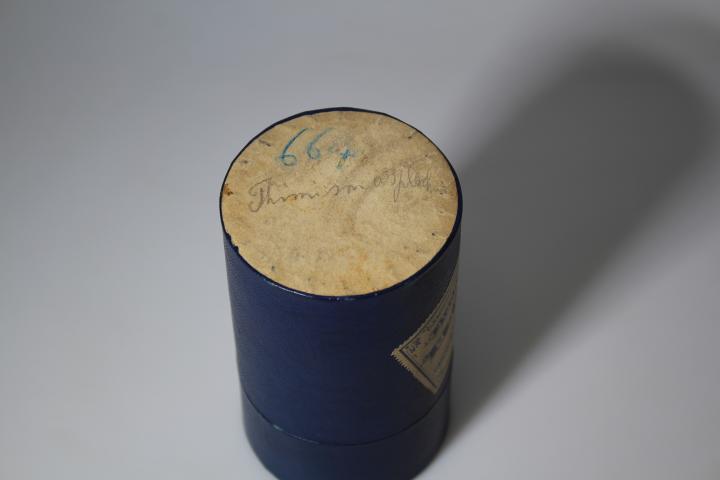
O sole mio
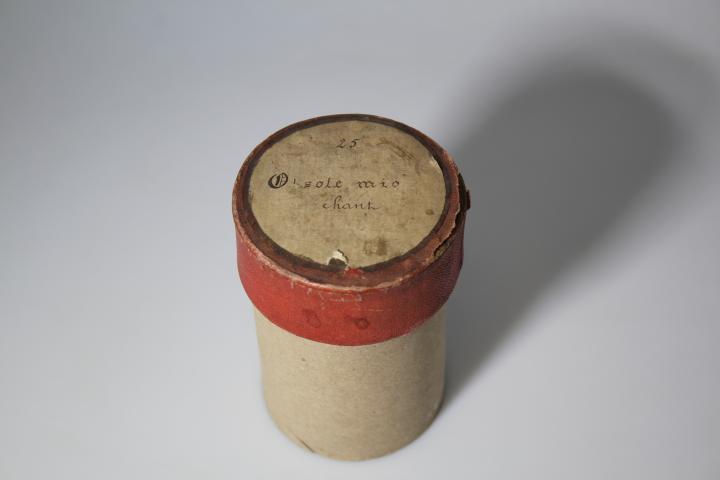
Unidentified recording - 26 (China, Jingiù ?)
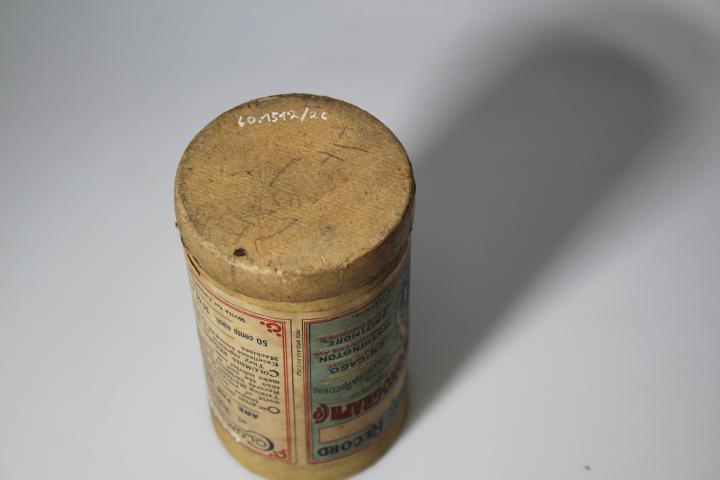
天水關 - Tianshui guān (China, Jīngjù ?)
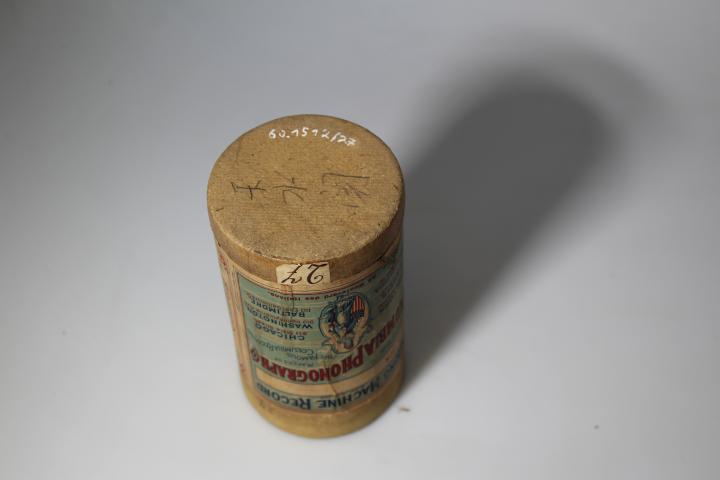
Unidentified recording - 28
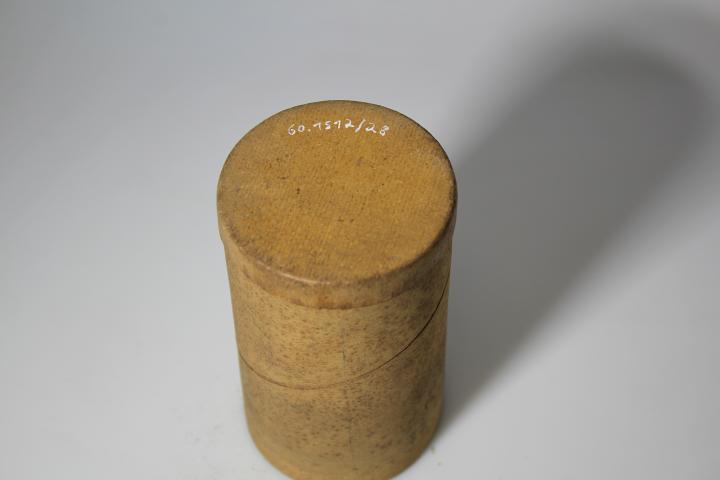
Unidentified recording - 29
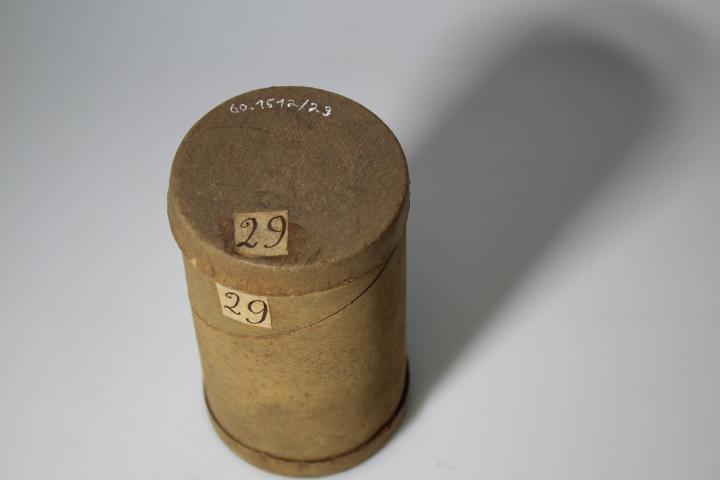
Unidentified recording - 30 (China, Jīngjù ?)
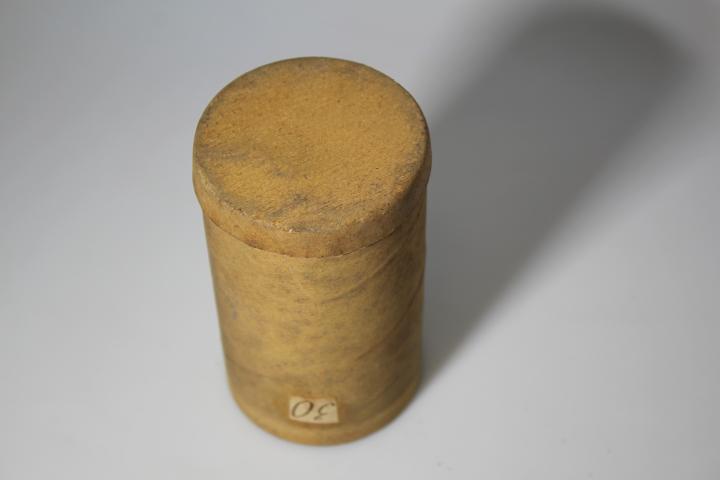
Unidentified recording - 31
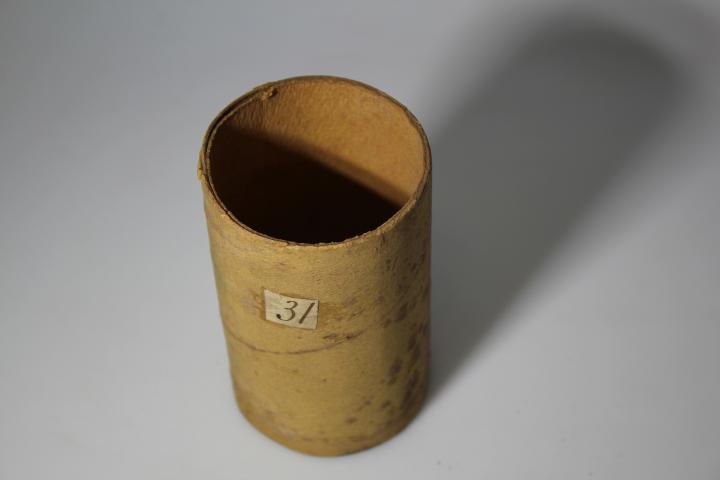
Unidentified recording - 32 (China, Jīngjù ?)
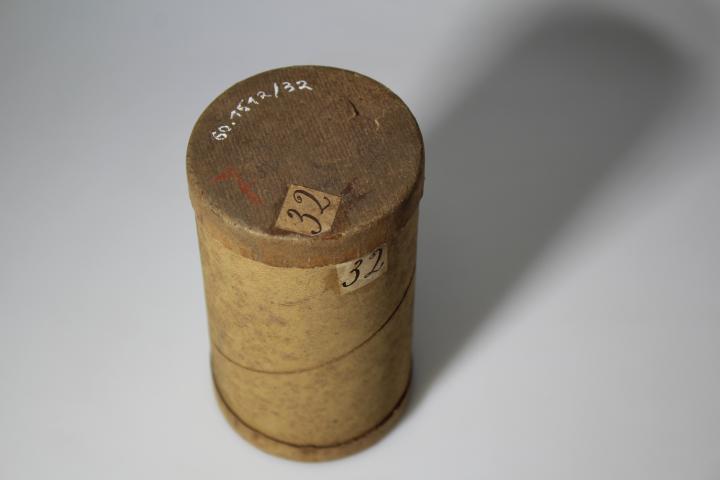
Unidentified recording - 33 (China, Jīngjù ?)
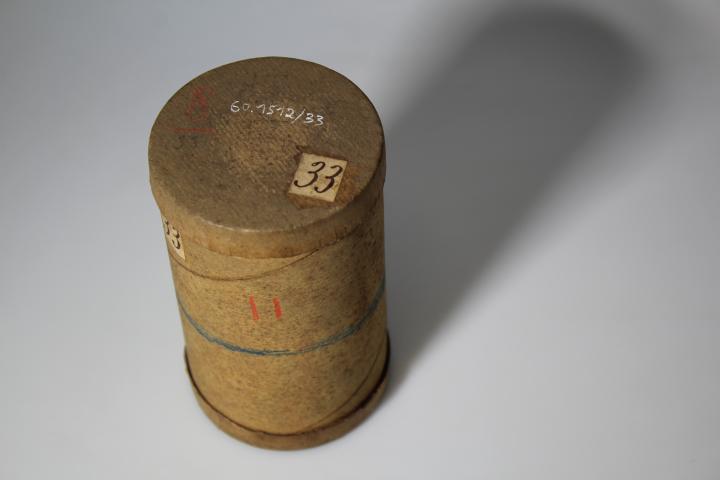
Unidentified recording - 34 (China, Jīngjù ?)
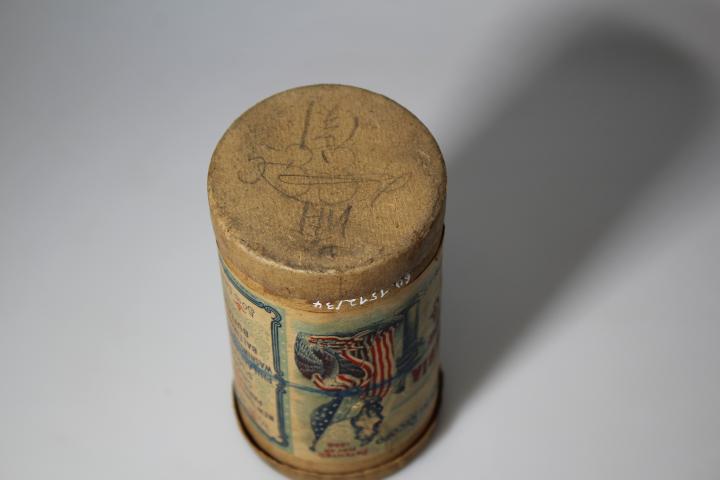
空城計 - Kōng chéng jì, The Empty City Stratagem
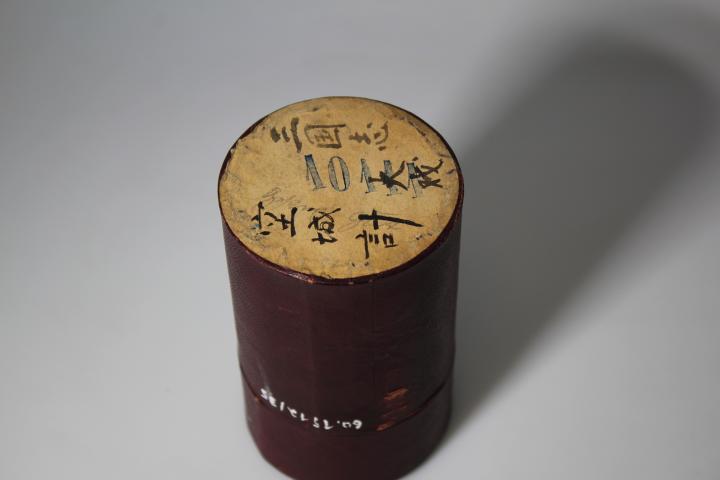
法門寺 - Fǎmén sì, Famen Temple (China, Jīngjù ?)
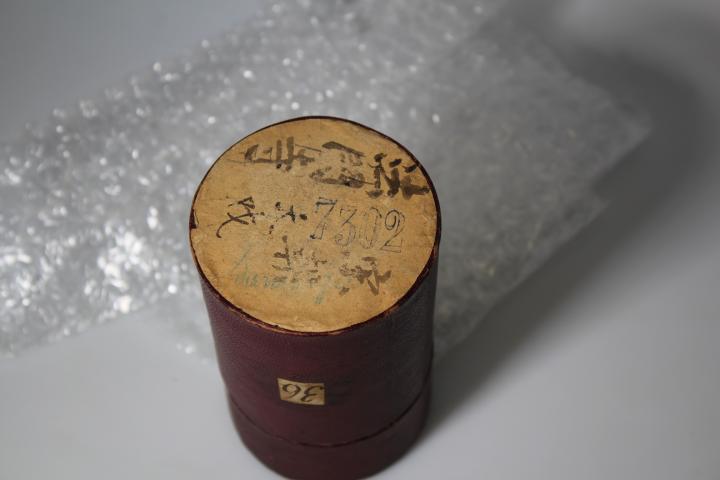
小曲 - Xiǎoqū, popular songs (China)
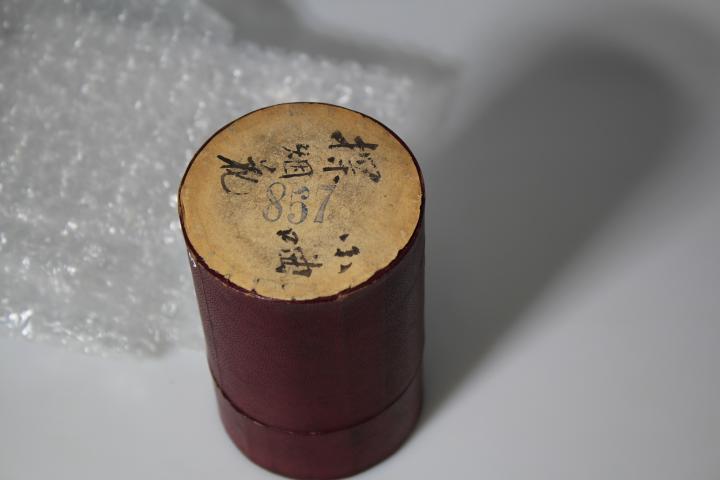
Unidentified recording - 38
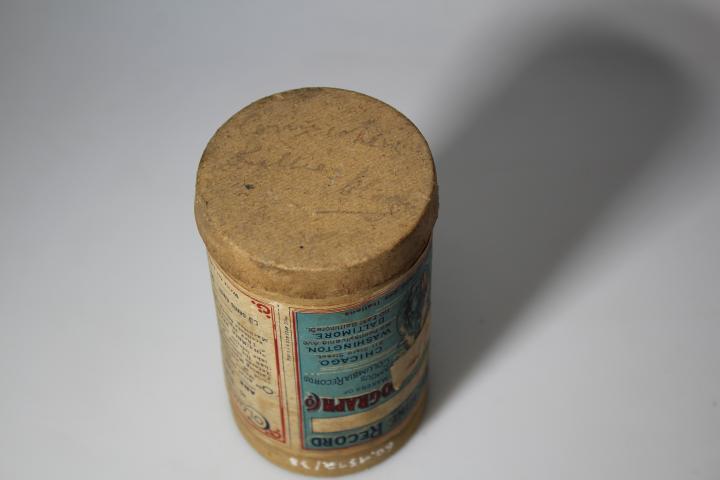
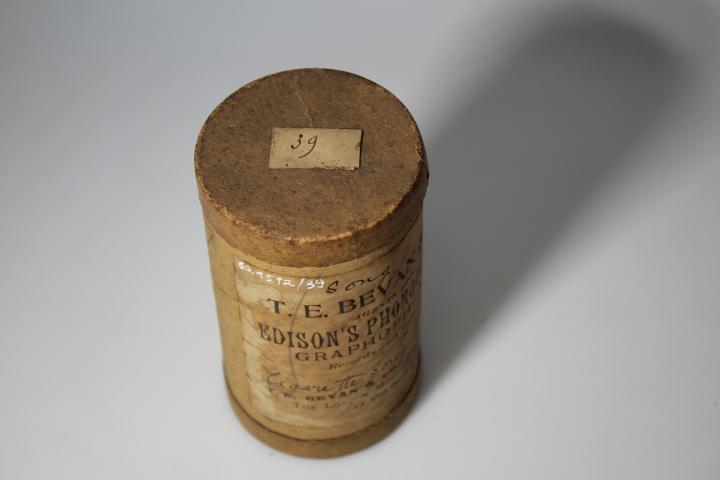
Religious song ? (Bengal) - 39
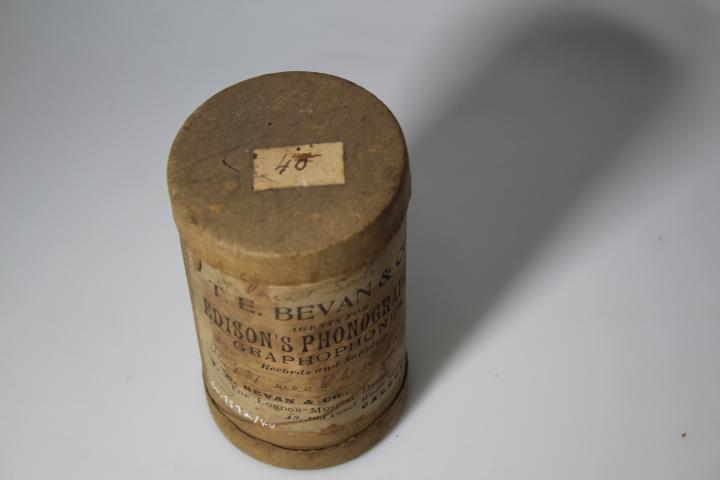
Religious song ? (Bengal) - 40
The Next Gem of Scotch Melodies Number Two (Bagpipe solo)
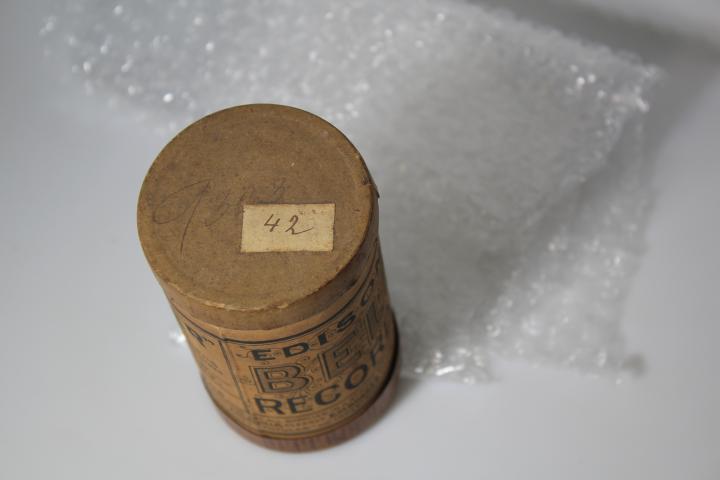
[Medley March 3] (Fifes and drums)